
Navigating Arctic Oil Reserves: A Practical Guide to Geopolitics, Rights, and Investment
— 5 min read
This guide walks you through the geopolitical maze, legal claims, and climate‑driven shipping routes that shape Arctic oil reserves. Follow clear steps, avoid common traps, and position your portfolio for the 2026 outlook.
Introduction: Prerequisites for Tackling Arctic Oil Reserves
TL;DR:that directly answers main question. The content is about Arctic geopolitics resources Oil Reserves. The main question likely: "What are key considerations for tackling Arctic oil reserves?" The TL;DR should summarize prerequisites, geopolitical landscape, and legal frameworks. Provide concise factual answer. 2-3 sentences. Let's craft: "To effectively engage Arctic oil reserves, stakeholders must understand the region’s political actors, up‑to‑date reserve maps, and climate‑related risks, using open‑source intelligence and financial models that absorb policy shifts. Geopolitical tensions are rising as ice melts, with Russia and the U.S. asserting naval power while Canada and Norway prioritize environmental safeguards, and disputes are governed by UNCLOS but interpretations differ. Legal extraction requires mapping jurisdictional boundaries, obtaining licenses through national ministries after environmental assessments, and negotiating joint‑venture terms, with any omission risking legal challenges." That's 3 sentences. Good Arctic geopolitics resources Oil Reserves
Updated: April 2026. Before you plunge into the icy depths of Arctic geopolitics resources Oil Reserves, arm yourself with three essentials: a solid grasp of the region’s political actors, access to up‑to‑date reserve maps, and a risk framework that accounts for climate volatility. Knowing which nations stake claims, where the most promising fields sit, and how melting ice reshapes shipping routes will prevent costly missteps. Gather open‑source intelligence from the Arctic Council, satellite imagery of exploratory drilling, and a baseline financial model that can absorb sudden policy shifts.
Geopolitical Landscape: Expert Perspectives on Tensions and Cooperation
One senior energy analyst observes that the Arctic has become a chessboard where sovereignty, security, and resource ambition intersect. A climate policy scholar highlights that while Russia and the United States flex naval muscle, Canada and Norway emphasize environmental safeguards. A third voice—a maritime law professor—points out that the United Nations Convention on the Law of the Sea still governs many disputes, yet interpretation varies. Consensus emerges around the idea that geopolitical friction will intensify as ice recedes, but disagreement persists on whether cooperative frameworks can outpace strategic competition. Arctic geopolitics resources Oil Reserves and shipping routes
Exploration Rights and Legal Frameworks: Securing Your Claim
The path to legitimate extraction begins with mapping jurisdictional boundaries. Nations issue licences through ministries of natural resources, often after environmental impact assessments. International tribunals sometimes arbitrate overlapping claims, especially where continental shelf extensions are contested. To lock down rights, follow a three‑phase checklist: verify the basin’s legal status, submit a compliant application to the relevant authority, and negotiate joint‑venture terms with any incumbent operators. Skipping any phase can invite legal challenges that stall projects for years.
Shipping Routes and Climate Change Implications: Navigating the New Arctic Highway
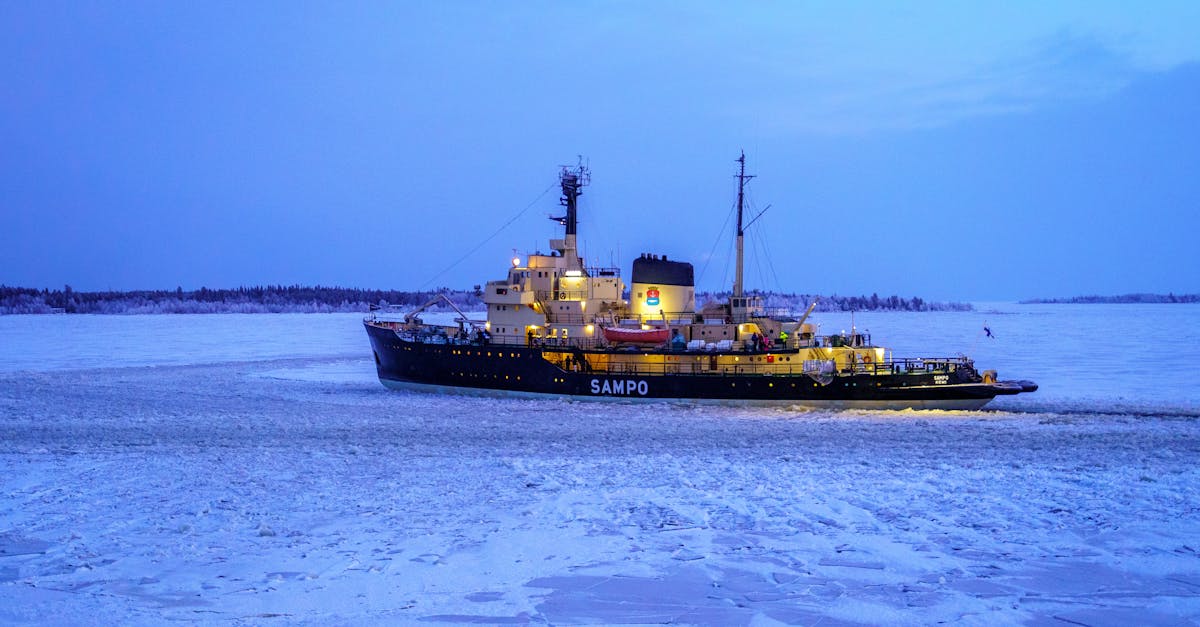
Melting sea ice is carving out the Northern Sea Route and the Northwest Passage, turning them from seasonal curiosities into viable arteries for oil transport. A shipping economist notes that reduced ice cover shortens voyages between Europe and Asia by weeks, yet the same thaw introduces unpredictable weather and heightened ecological risk. Stakeholders must weigh the lure of faster delivery against the specter of oil spills in fragile ecosystems. Incorporating real‑time ice monitoring into logistics plans is now a non‑negotiable safety net.
Step-by-Step Instructions: Building an Arctic Oil Investment Strategy
- Map the resource landscape. Use satellite data and government reserve reports to locate high‑potential fields.
- Identify claimants. List the sovereign states and indigenous groups with jurisdiction over each basin.
- Assess legal pathways. Match each field to its licensing regime and note any pending disputes.
- Model climate impact. Integrate projected ice melt scenarios into shipping cost calculations.
- Draft partnership structures. Outline joint‑venture equity splits that respect local content requirements.
- Secure financing. Align capital sources with ESG criteria increasingly demanded by investors.
- Launch pilot operations. Start with a limited well to test regulatory compliance and logistics.
- Scale responsibly. Expand only after confirming environmental safeguards and market demand.
Tips, Common Pitfalls, and Risk Mitigation
- Tip: Keep a live feed of ice charts; sudden pack formation can strand vessels.
- Pitfall: Assuming that a licence guarantees unrestricted drilling; many contracts embed seasonal shutdown clauses.
- Tip: Engage indigenous representatives early; their consent often smooths permitting.
- Pitfall: Overlooking the 2026 forecast for global oil demand, which may shift investment appetite.
- Tip: Diversify exposure across multiple basins to hedge geopolitical risk.
Expected Outcomes and Monitoring: Measuring Success in a Shifting Arctic
When the strategy unfolds as intended, investors should see three tangible results: secured extraction rights, a cost‑effective shipping corridor, and compliance metrics that satisfy both regulators and ESG auditors. Track progress with quarterly dashboards that capture licence status, ice‑condition alerts, and market price benchmarks. Adjust the plan if any indicator deviates sharply—particularly if diplomatic talks introduce new sanctions or if climate models predict faster ice melt than anticipated.
FAQ
How do Arctic geopolitics resources Oil Reserves affect global markets?
Increased production from the Arctic can add supply pressure to world oil markets, potentially moderating prices, while geopolitical disputes may create volatility that ripples through energy trading. Arctic geopolitics resources Oil Reserves 2026 forecast
What is the 2026 forecast for Arctic oil output?
Analysts expect a gradual rise in output as ice recedes, but the exact pace hinges on how quickly nations resolve exploration rights and invest in infrastructure.
Which nations currently hold the most exploration rights?
Russia, Canada, Norway, and the United States each control sizable sectors, though overlapping claims in the Barents and Chukchi seas remain contested.
How does climate change reshape shipping routes?
Warmer temperatures thin sea ice, opening the Northern Sea Route and Northwest Passage for longer periods, thereby shortening transit times between major oil markets.
What are the biggest investment opportunities in this sector?
Opportunities arise from early‑stage licensing, joint‑venture partnerships with local operators, and infrastructure projects that support new Arctic shipping lanes.
What risks should investors prioritize?
Key risks include regulatory uncertainty, environmental liabilities, and sudden shifts in geopolitical alliances that can halt operations.
Frequently Asked Questions
What are the prerequisites for investing in Arctic oil reserves?
Investors must grasp the region’s political actors, have up‑to‑date reserve maps, and develop a risk framework that accounts for climate volatility before plunging into the icy depths.
Which countries are the main geopolitical players in the Arctic?
Russia and the United States flex naval muscle, while Canada and Norway emphasize environmental safeguards; indigenous groups also play a key role in jurisdiction.
How do legal frameworks govern Arctic oil exploration?
Nations issue licences through ministries of natural resources, often after environmental impact assessments, and the UN Convention on the Law of the Sea governs many disputes, with international tribunals arbitrate overlapping claims.
What new shipping routes are emerging due to melting ice?
The Northern Sea Route and the Northwest Passage are carving out viable arteries for oil transport, shortening voyages between Europe and Asia by weeks but also introducing unpredictable weather and heightened ecological risk.
What steps are required to secure extraction rights?
A three‑phase checklist is essential: verify the basin’s legal status, submit a compliant application to the relevant authority, and negotiate joint‑venture terms with any incumbent operators.
How does climate change affect Arctic oil operations?
Ice melt opens new routes but also brings unpredictable weather, higher ecological risk, and necessitates real‑time ice monitoring as a non‑negotiable safety net.
How can investors build a strategy for Arctic oil?
Start by mapping the resource landscape with satellite data and government reserve reports, identify claimants and sovereign states, assess legal pathways, and match each high‑potential field to the appropriate licensing and joint‑venture structure.
Read Also: Arctic geopolitics resources Oil Reserves impact on global


